top of page

LANSCE Neutron Beam Experiment (2025)

Researchers from the MoNA Collaboration, including students and post docs, traveled to New Mexico to test Next Generation Neutron Detector (NGn) prototypes at the Los Alamos Neutron Science Center (LANSCE).
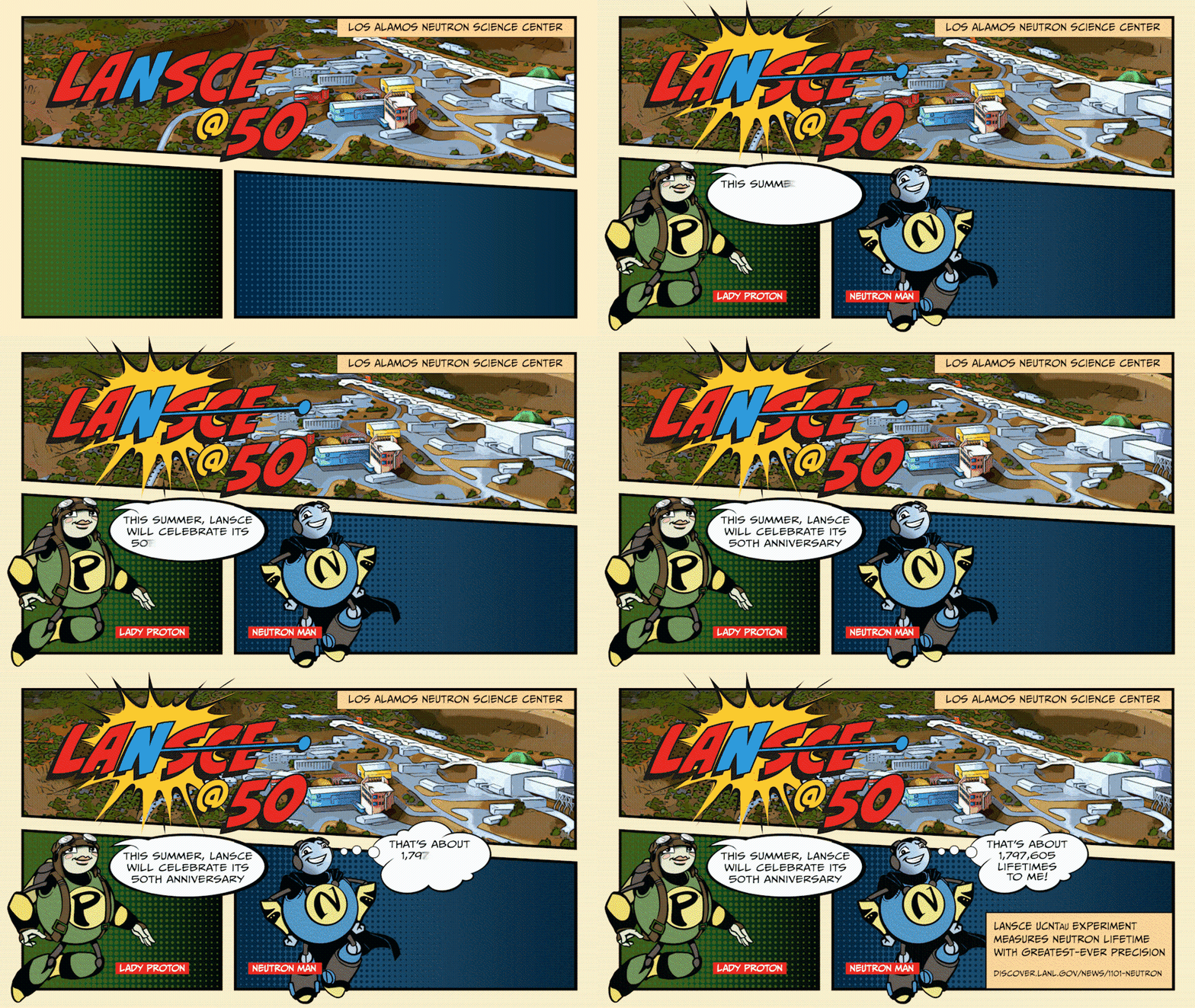
Figure 1: LANSCE celebrated its 50th anniversary in 2022.
Figure 2: Location of the 90 m Station with respect to the neutron production target (Target 4).

The setup was located on a flight path of 90 m from the neutron spallation target that is bombarded with an intense 800 MeV proton beam and produces neutrons with energies up to hundreds of MeV. The neutron beam was tightly collimated to a diameter of 3 mm at the 90-m station, and one prototype detector with 63 SiPM sensors was mounted on a translation stage that was remote controlled to move in the horizontal direction. Different vertical beam positions were achieved by manually adjusting the height of the setup. In addition, two more prototype detectors were mounted in a fixed position downstream of the first detector.

The translation stage was designed and assembled by undergraduate students at Davidson College. Prototype detectors from Virginia State University, Davidson College, and Michigan State University were used in this test.

The collected data will be used to optimize the final detector design. The next generation neutron detector is a collaborative project of Augustana College, Davidson College, Hope College, IndianaWesleyan University, James Madison University, Michigan State University, Wabash College, and Virginia State University and funded by the National Science Foundation [https://www.nsf.gov/awardsearch/showAward?AWD_ID=2320400].


Figure 3: The detector is mounted inside a light-tight wooden box on a translation stage in front of the collimator.


Figure 4: Postdoc Juan Lois Fuentes is adjusting the mount for the stationary detectors.

Figure 5: A 9 by 7 SiPM array detects the scintillation light.

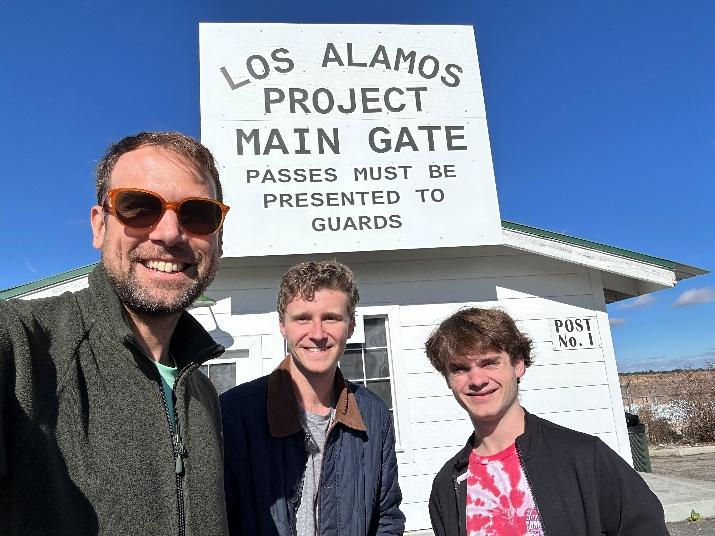
Figure 6: Anthony Kuchera and students R J Devlin and Andrew LaRochelle pose for a selfie in Los Alamos.
Figure 7: In addition to the moveable detector, additional prototypes were mounted stationary at a larger distance from the collimator.


Recent Posts

See All
MoNA scientists at TUNL

Several MoNA PIs and their students traveled to TUNL to test prototype detector elements. Collaborations like this are at the heart of...


Comments


bottom of page